
Reviewed · PASTA MAKING ON THE AMALFI COAST
Ravioli & Tagliatelle Cooking Class at a Local’s Home in Positano
Pasta taught like family. In Positano, you cook in a local home where ravioli, tagliatelle, and tiramisu are made from scratch, and you start with a proper aperitif plus plenty of local wine and limoncello. What I like is the hands-on teaching, plus the way the family weaves in food stories and tradition as you cook. The main drawback to plan for is that this experience needs good weather, so it can shift or refund if conditions are bad.
Your class also runs at a human pace in an intimate group (up to 14), and the setting comes with views over the area, including time around Montepertuso and toward Li Galli. I also love that you get ingredient time first, not just recipe time, with garden produce feeding the meal. If you are hoping for a “sit and watch” style class, this one is more active, and you will get flour on your hands.
In This Review
- Key Things I’d Highlight Before You Book
- A family-kitchen cooking class in Positano (with real views)
- Piazza Cappella to Montepertuso, then toward Li Galli
- Welcome aperitif and garden ingredient picking
- Ravioli in a home kitchen: fresh dough and filling choices
- Tagliatelle from scratch, built with garden flavor
- Tiramisu and the wine flow, plus limoncello
- What you actually take home: skill, recipes, and confidence
- Price and value: why $181 feels like more than a meal
- Who this class suits best
- Logistics that can trip you up (and how to plan around them)
- Should you book this cooking class?
- FAQ
- What dishes will I learn to make?
- How long is the cooking class?
- What time does it start, and where do I meet?
- Is the class taught in English?
- Is it suitable for kids?
- What happens if weather is bad?
Key Things I’d Highlight Before You Book

- A small-group home kitchen (max 14), so the teaching stays personal
- Three real recipes: ravioli, tagliatelle, and tiramisu
- Garden-to-table ingredients, picked together before you cook
- Wine and aperitifs included, with local prosecco and limoncello
- Scenic stops around Montepertuso and Li Galli as part of the outing
- English-speaking host with family history woven into the lesson
More Tours in Positano
- Private Amalfi Coast Boat Trip from Positano, Praiano or Amalfi
★ 5.0 · 431 reviews - Small Group Day Trip to Capri from Positano or Praiano
★ 4.5 · 354 reviews - Capri in a Day from Positano by Premium Boat Tour + City Visit
★ 4.5 · 343 reviews - Very Small Group Capri Boat Excursion with Transfer from Positano
★ 4.5 · 334 reviews
A family-kitchen cooking class in Positano (with real views)
Positano is famous for postcards, but this experience is about getting past the postcard part. You start in town at Piazza Cappella, then you head out toward Montepertuso, where the cooking home is set up for a warm, stay-for-dinner feel. The group stays small, capped at 14, and that changes everything. You are not fighting for space, and you are not stuck waiting your turn while someone else works.
The vibe is practical, but also emotional. The class is taught by Emily and Gennaro, with their Mum heavily involved, and their family stories and grandmother-based recipes are part of the lesson, not a side note. Expect singing, laughing, and that kind of kitchen energy where people actually enjoy what they are doing.
The setting itself is a big deal. One of the most repeated details from people who book this is how stunning the views are from the home, including balcony views during the meal. If you want an experience that feels both intimate and special, this is that.
Piazza Cappella to Montepertuso, then toward Li Galli
The itinerary includes two scenic stops: Montepertuso first, then Li Galli. Even without getting fancy about it, the timing makes sense. You leave the main Positano area, get that quick “we’re not in the center anymore” change of pace, and you build excitement before the cooking begins.
In practice, this matters for two reasons:
1) It breaks up the day. Positano can feel crowded and steep. Adding a calm, out-of-town leg helps your energy reset before you cook and eat.
2) You get context. Li Galli is part of the area’s identity, and the way the outing frames the meal makes the food feel like it belongs here, not like it could happen anywhere.
If you are staying near the beach and want to keep logistics simple, it is worth noting the class starts at Piazza Cappella. The experience is also listed as near public transportation, but the route to the home is likely part of why many groups mention taxis or shared rides being arranged.
Welcome aperitif and garden ingredient picking
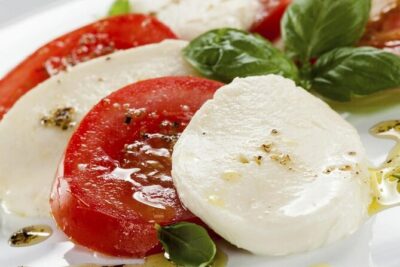
Before the pasta part, you start with food and drink. You get a welcome appetizer that includes salami, tarallucci, local cheese, and olives, plus local prosecco. Later, you sit down to caprese salad with fresh tomatoes and mozzarella, plus rocket and grilled vegetables that you gather from the property’s garden.
What I like here is that the meal starts while you are still fresh and curious. A cooking class can sometimes feel like, “Here are ingredients, now rush.” This one delays the calm, social part until you are actually ready to cook, so dinner does not feel like an afterthought.
The garden element is also not just decorative. The concept is simple: you pick fresh ingredients together, then you cook them into what you eat. That means your pasta fillings, sauces, and toppings are flavored by what is actually growing, not by whatever happens to sit in a produce truck that day. If you care about taste, not just technique, this matters.
Ravioli in a home kitchen: fresh dough and filling choices
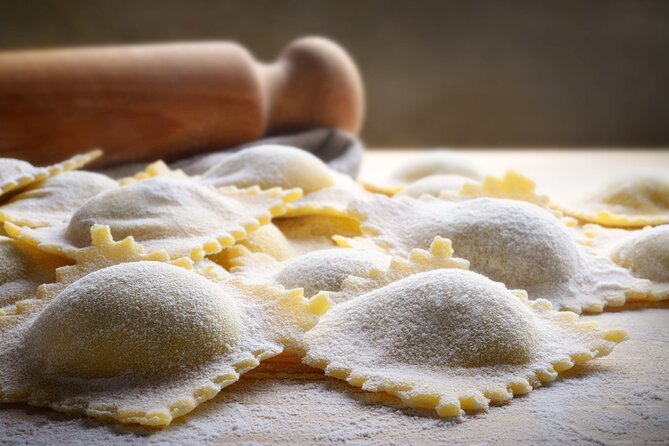
Now for the main work: ravioli. You make fresh pasta dough and shape it into ravioli, using ricotta cheese or vegetable or meat fillings. The class is designed so you can choose ingredients you like, rather than getting a single “one-size-fits-all” ravioli experience.
The hands-on part is where this class earns its reviews. Ravioli dough is all about feel: thickness, rest time, and sealing. You learn why dough that is too thick cooks differently, and why over-filling leads to tears. You also get guidance on how to work as a group. When multiple people roll and cut and fill, it becomes a fun assembly line, and the class naturally turns into conversation.
A practical tip if you are new to fresh pasta: do not rush the dough. In Italian kitchens, pasta is less about speed and more about texture. Even if your dough skills are not perfect, you will leave understanding what to adjust next time.
And yes, you eat what you make. This is a full meal, not a sample plate. People consistently call it one of the best meals they ate in Positano, which tells you something important: you can learn technique and still end up with satisfying food.
Roll it, sauce it, eat it
- Cooking class with Pasta, mozzarella and Tiramisu with wine★ 5.0 · 549 reviews
- Amalfi: Prepare fresh pasta, mozzarella and tiramisu★ 5.0 · 315 reviews
- Small-Group Cooking Class in Positano: Gnocchi, Tiramisù & Drinks★ 5.0 · 191 reviews
Tagliatelle from scratch, built with garden flavor
Then you switch gears to tagliatelle, a second type of fresh pasta. The focus here is on fresh ingredients coming from the garden and building flavor into the dish, not just serving pasta with store-bought sauce.
Tagliatelle is an underrated choice for a cooking class. It is recognizable, but it is not just about boiling. You learn how handmade pasta changes the eating experience: bite, chew, and how sauce clings. If ravioli is the “craft” pasta, tagliatelle is the “flow” pasta.
You are also learning an important skill for cooking back home: how to build a meal around fresh pasta rather than around a jar of sauce. Once you understand how the dough and ingredients work together, it is easier to stop thinking of pasta as a complicated project and start thinking of it as a repeatable routine.
Tiramisu and the wine flow, plus limoncello
You do not skip dessert. You make tiramisu using an old family recipe tied to their grandmother. For a lot of people, tiramisu is one of those desserts they either avoid or assume they already know. But this version is the kind that makes you rethink what “classic” really means.
Tiramisu in a home setting is different because the process is taught, not just performed. You learn why layering matters and why timing can affect texture. One of the repeated highlights from people who book this is that even those who usually skip tiramisu end up loving what they make.
And while dessert is happening, the drinks keep the atmosphere relaxed. The meal includes unlimited wine plus prosecco, and the family offers homemade limoncello. That combination is part of the reason the class feels like a celebration rather than a school assignment.
What you actually take home: skill, recipes, and confidence
This class is not just about tasting. You come away with a practical understanding of how Italian home cooking works in real life. That means learning:
- how fresh pasta dough behaves,
- how to fill and shape ravioli,
- how to handle tagliatelle as a handmade pasta,
- and how tiramisu comes together as a family recipe process.
You also get recipe support after the class. People report receiving recipes as a PDF, plus they feel prepared to recreate the dishes when they get home. That is a big part of value, because a cooking class that only teaches steps you forget does not help much later. Here, the lesson is built around repeatability.
Price and value: why $181 feels like more than a meal
At $181.41 per person for about three hours, this is not cheap. But it is not priced like an industrial demo either. The value comes from multiple buckets:
1) You cook three dishes: ravioli, tagliatelle, and tiramisu. That is a full meal, not a snack class.
2) You eat what you make, in the same session. That means the cost covers both instruction and dinner.
3) Drinks are included, including prosecco, local wine, and limoncello.
4) Ingredients are treated seriously, including garden produce gathered for the meal.
5) Group size is limited to help the teaching stay personal.
Also, you are paying for the home setting and the family participation. The difference between cooking at a restaurant and cooking in someone’s kitchen is obvious once you try it: you get stories, rhythms, and small teaching moments you would never get in a polished, scripted restaurant class.
If you compare it to doing a “generic” pasta class in a bigger venue, this one is more expensive, but the meal and the teaching experience are more complete.
Who this class suits best
This is a great match if you:
- want an authentic local-home experience in Positano,
- like hands-on cooking rather than watching,
- enjoy learning through stories and food tradition,
- want a small-group setting with real conversation.
It is also listed as suitable for children, which matters if you are traveling as a family and want a meal experience that is more interactive than a formal dinner. The class does include alcohol, but you can still expect a warm, family-style environment.
If you prefer highly structured, textbook-style cooking where everything is timed down to the minute, this might feel too “people first.” This is more social. It is meant to be fun, not just efficient.
Logistics that can trip you up (and how to plan around them)
A few practical considerations can help you have a smoother time:
- Weather matters. The experience requires good weather. If it is canceled due to poor weather, you get offered a different date or a full refund.
- The location is not beach-level. The class meets at Piazza Cappella, then moves toward Montepertuso. People often arrange taxis or shared rides to get to the home. If you hate negotiating transportation, plan ahead.
- You need comfortable clothes. You will work with dough. Wear something you do not mind getting flour on.
- Bring your appetite. This is not a light tasting. It is an aperitif, salad and grilled vegetables, three pasta components, and dessert.
Should you book this cooking class?
If you want one “Positano memory” that goes beyond views and photos, I think this is the kind of experience that earns its spot on your trip. The strongest reasons to book are the family warmth, the hands-on pasta making, and the full meal that actually tastes like someone cares.
I would skip it only if:
- you want a fast, no-drama itinerary,
- you dislike small social groups,
- or you know your schedule cannot flex at all if weather forces a change.
Otherwise, it is a smart way to spend a few hours in Positano, because you leave fed, taught, and with recipes you can use again.
FAQ
What dishes will I learn to make?
You will make ravioli, tagliatelle, and tiramisu during the lesson.
How long is the cooking class?
The cooking class is about 3 hours.
What time does it start, and where do I meet?
The start location is Piazza Cappella, 84017 Positano SA, Italy, and the activity ends back at the meeting point.
Is the class taught in English?
Yes, it is offered in English.
Is it suitable for kids?
The experience is listed as suitable for children.
What happens if weather is bad?
This experience requires good weather. If it is canceled due to poor weather, you will be offered a different date or a full refund.
Hands-On Workshops
- Hands-On Pasta and Tiramisu Class in Positano with Local Family
★ 4.5 · 88 reviews - Mozzarella class & more in Sorrento
★ 5.0 · 29 reviews - Pasta and Tiramisù class with a panoramic view of Sorrento
★ 5.0 · 10 reviews - Rada Rooftop Cooking Class in Positano
★ 5.0 · 8 reviews
Coastal Cooking Classes
- Amalfi Coast Cooking Class: Make Pasta, Mozzarella & Tiramisu
★ 5.0 · 48 reviews - Cooking lesson: tagliatelle, mozzarella and tiramisu
★ 5.0 · 11 reviews - Cesarine: Positano Cooking Class – 3 Authentic Recipes
★ 5.0 · 9 reviews - Amalfi: lezione di cucina su pasta, mozzarella e tiramisù
★ 5.0 · 9 reviews
Freshly added to the coast
- Vacation Photographer in Positano★ 5.0 · 1 review
- Private Tour of Pompeii with Wine Tasting & Lunch from Positano★ 5.0 · 1 review
- Sunrise Private Boat Tour from Positano, Praiano, Amalfi★ 5.0 · 1 review
- Path of the Gods from Agerola to Praiano – Amalfi Coast.★ 5.0 · 1 review
- Sorrento and Positano Tour★ 5.0 · 1 review
- Path of the Gods★ 5.0 · 1 review
- Luxury Positano and Capri private boat tour★ 5.0 · 1 review
Pasta Making on the Amalfi Coast, compared.
Cooking class with Pasta, mozzarella and Tiramisu with wine
Read our review →
Prepare fresh pasta, mozzarella and tiramisu
Read our review →
Make Fresh Pasta, Mozzarella, & Tiramisù with Wine
Read our review →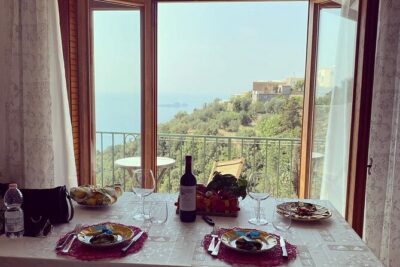
Small-Group Cooking Class in Positano: Gnocchi, Tiramisù & Drinks
Read our review →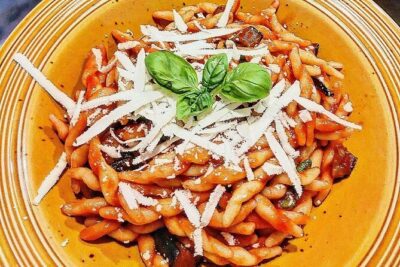
Hands-On Pasta and Tiramisu Class in Positano with Local Family
Read our review →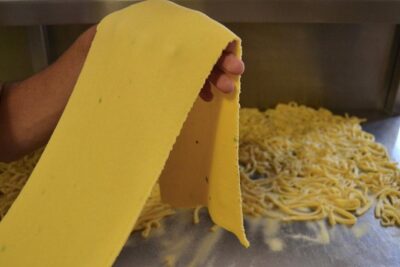
Forage Herbs, Make Grandma’s Ravioli & Tiramisù w Our Family
Read our review →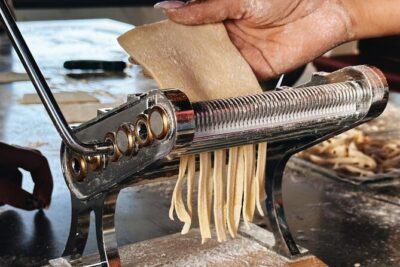
Milk cows, make pasta, mozzarella and tiramisu!
Read our review →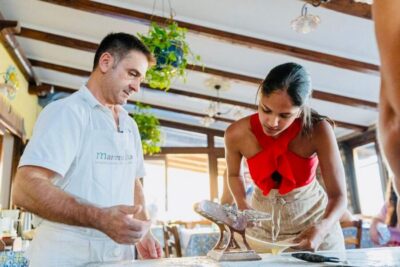
Mozzarella, Fettuccine, and Tiramisù Cooking Class
Read our review →Browse the lists this tour appears in