
Reviewed · AMALFI COAST WINE TASTINGS
Private Tour of Pompeii with Wine Tasting & Lunch from Positano
Pompeii feels manageable with the right plan. This Positano day pairs priority access to the ruins with an English-speaking local guide, then finishes with Lacryma Christi wine tasting and a light lunch. I like how the route hits both the big public spaces and the everyday details that make Pompeii click, and I also like that the stops are timed so you see a lot without feeling stuck in one dark corner all day. One drawback to consider: it is about 8 hours, so plan on a full day outdoors and on uneven stone.
Ornella, a Pompeii specialist mentioned in a recent highlight, was praised for being patient and tailoring the pacing to interests. You will travel in a private vehicle from Positano with an English-speaking driver, and the day runs on a mobile ticket, which helps smooth out the start when you are eager to get inside.
In This Review
- Key things to know before you go
- Why a private Pompeii guide makes the ruins make sense
- Positano pickup, the pace of an 8-hour day, and comfort tips
- Getting into Pompeii: priority access and an English-speaking plan
- Forum of Pompeii: the civic center you can actually picture
- Macellum, street life, and the Basilica: trade, meetings, and everyday motion
- Stabian Baths: how Romans reset their day
- Lupanar and Casa del Fauno: Pompeii’s private stories, not just public ones
- Teatro Grande and the other Basilica: entertainment and civic power
- Vesuvius winery wine tasting and lunch with panoramic views
- Price and value: what you really pay for at $822.69 per person
- Should you book this Pompeii tour with wine tasting?
- FAQ
- What is included in the tour?
- Is pickup from Positano included?
- How long does the tour take?
- Is the guide available in English?
- What happens during the wine tasting and lunch?
- What is the cancellation policy?
Key things to know before you go
- Priority access means less waiting at Pompeii, so your guide time goes to the ruins
- Forum to street-level Pompeii gives you a clear sense of daily life, not just random monuments
- Stabian Baths are included, with explanations that make the bath rooms feel practical, not academic
- Lupanar stops are handled with facts, focusing on the building and the surviving erotic frescoes and graffiti
- Vesuvius winery tasting includes Lacryma Christi plus other local wines, with seasonal dishes
- Private tour style means only your group, with live English commentary
More Tours in Positano
- Private Amalfi Coast Boat Trip from Positano, Praiano or Amalfi
★ 5.0 · 431 reviews - Small Group Day Trip to Capri from Positano or Praiano
★ 4.5 · 354 reviews - Capri in a Day from Positano by Premium Boat Tour + City Visit
★ 4.5 · 343 reviews - Very Small Group Capri Boat Excursion with Transfer from Positano
★ 4.5 · 334 reviews
Why a private Pompeii guide makes the ruins make sense
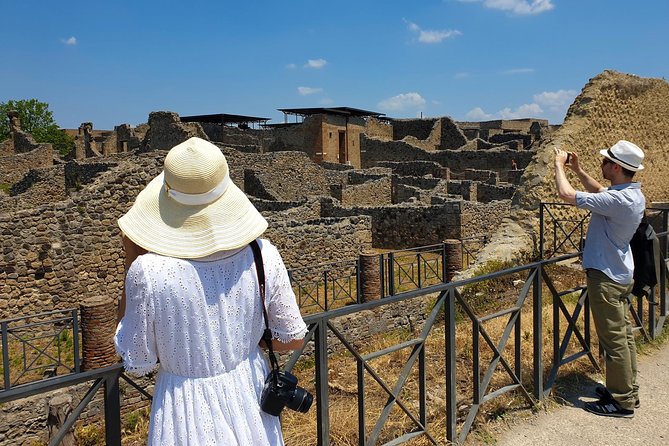
Pompeii can overwhelm you fast. You walk in, you see stone walls and arches, and your brain keeps asking the same question: what am I actually looking at? That is where a private setup pays off. You are not just getting a checklist of sites. You get a living explanation that connects buildings to routine, politics, trade, and leisure.
What I love here is the balance of stops. You start at the Archaeological Park of Pompeii, and then the day narrows into the places that shaped everyday behavior. You hit the Forum where civic life happened, the Temple of Jupiter overlooking it, and the Macellum, the market area that functioned as a hub. Later, you shift to places people used for conversation and work, like the Basilica, then to private and semi-private life like the Lupanar and the luxury residence of the elite.
I also like that the guide does not treat Pompeii like a museum display. Even the short visits, like 10 minutes at a stop, are not random. They are timed so you move through the city while your understanding is still fresh.
The other big advantage is that priority access helps you start faster. Pompeii is famous, so waiting is common when you do it on your own. Here, your plan is designed to keep you moving.
Positano pickup, the pace of an 8-hour day, and comfort tips
This is built as a full-day outing. You are picked up at your hotel or a central meeting point in Positano by private vehicle. An English-speaking driver handles the ride, while a private local guide gives live commentary in Pompeii and during the wine portion.
At around 8 hours, you should treat this like a structured day, not a wander-at-your-own-pace option. The Pompeii portion is the focus, with a longer block at the main site (about 2 hours), then shorter stops throughout the center. Expect the day to feel like, see, learn, walk, repeat.
For comfort, come ready for sun and steady walking on stone. Pompeii is outdoors, and you do not want your feet to run the show. Wear shoes with solid grip, bring a hat if you burn easily, and keep water in your bag when you can. If you have any limits, choose a pace that works for you early. Good tours keep adjusting, but you still need to be realistic about how long you will be on your feet.
The payoff for this kind of pace is that you return to Positano with a much stronger mental map. You will know why one building sits where it does, and how the pieces relate.
Getting into Pompeii: priority access and an English-speaking plan
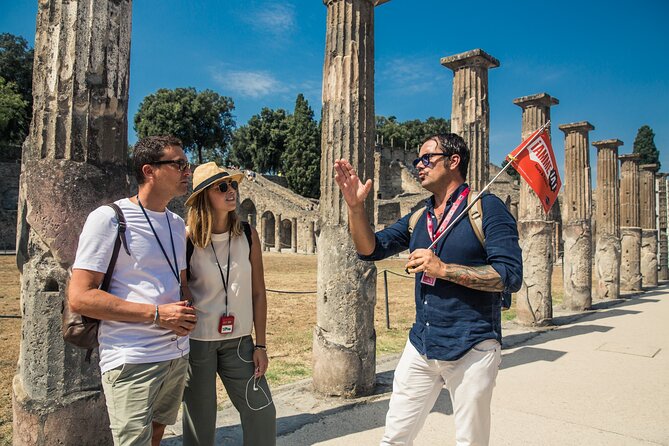
The day starts with the simplest win: priority access. Instead of spending your morning stuck in a line, you are positioned to get into the Archaeological Park and start seeing the city rather than watching other people shuffle.
Once inside, the tour style is private. Only your group participates, so you are not squeezed into a fast-moving crowd where questions feel risky. Live commentary in English matters here because Pompeii rewards context. When you understand the purpose of a forum building, the space looks different. When you understand how a bath complex worked, you notice details you would otherwise miss.
You will also use a mobile ticket, which is usually easier than hunting paper while you juggle bags, phones, and timing. It is not a life-changing feature, but it reduces stress during a busy day.
Forum of Pompeii: the civic center you can actually picture
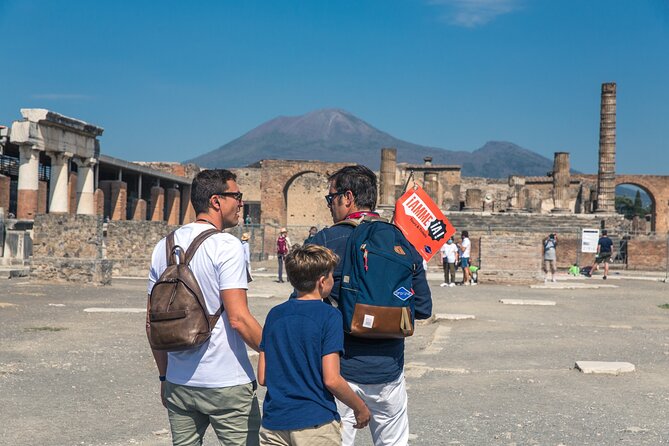
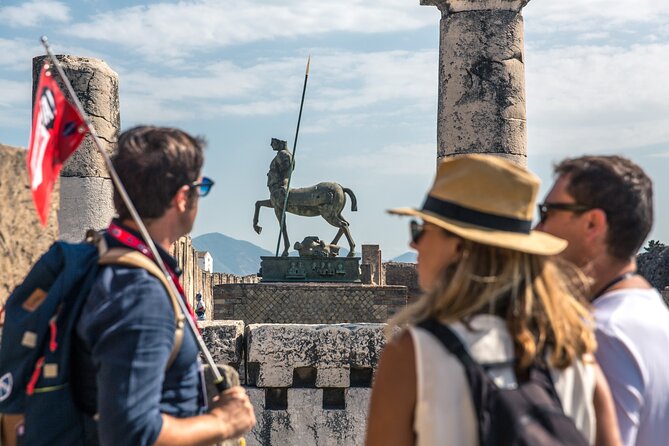
Your route makes the Forum feel like a place where real people did real things. The Foro de Pompeya is described as the core of daily life, and it really does function that way. It is where the city administration and justice unfolded, where business and trade flowed, and where civic worship took place.
From a visitor perspective, the best part of the Forum is how it anchors the rest of Pompeii. Once you understand the Forum, the surrounding buildings stop looking random. You start recognizing how the city organized power, commerce, and public ritual in one central area.
Just to make it memorable, the Temple of Jupiter, the Tempio di Giove Capitolino, sits north of the Forum, with Mount Vesuvius rising behind it. That view is not just scenic, it is informative. Pompeii literally grew under a volcano. Standing in the right spot, you see the connection between the geography and the city’s fate.
You will spend short, focused time at key points like:
- the Temple of Jupiter’s role once the colony was founded
- the Forum’s function as a center for justice, administration, markets, and worship
- quick context stops that explain what each corner of the Forum was for
Those time blocks are brief, but they work because you are moving with guidance. The goal is clarity, not speed for its own sake.
Pour something local before dinner
- Cooking class with Pasta, mozzarella and Tiramisu with wine★ 5.0 · 549 reviews
- Private Sunset Cruise with Prosecco Onboard★ 5.0 · 131 reviews
- 1.5-Hour Amalfi Sunset Cruise – Private Tour with Prosecco★ 5.0 · 63 reviews
Macellum, street life, and the Basilica: trade, meetings, and everyday motion
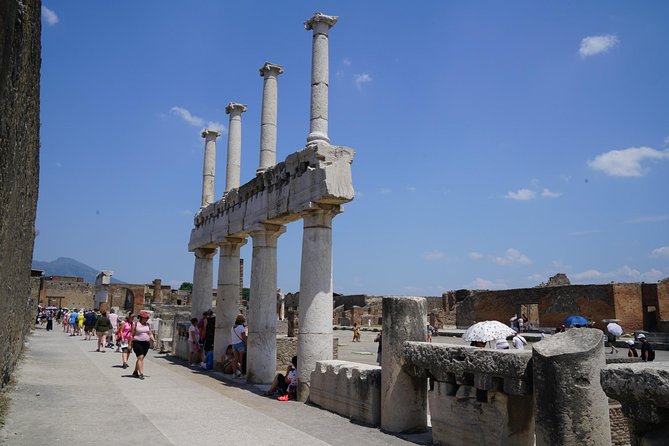
After the Forum, the tour shifts to places that tell you how people ate, bought, talked, and settled arguments. The Macellum is the market complex, and it is fascinating because it connects religion, commerce, and even food. You will see how the architecture includes space for worship and how parts of the complex seem designed for trading, including a masonry counter that could be used for fish sales.
From there, you walk the ancient main street, Via dell’Abbondanza, which was the decumanus maximus running east to west. This is where the city feels loud even when you are standing in silence. It was lined with shops, workshops (officinae), snack bars and restaurants for food and drink. You get a sense of how constant movement filled the streets. It helps you understand Pompeii as a functioning town, not just ruins.
Then comes the Basilica, one of the Forum’s most important structures. It served business and legal activity, with a large interior space designed for administration of justice and commercial gatherings. In other words, it is where people went to conduct serious day-to-day business, not just to look around.
A practical note: some stops in the center are quick, about 10 minutes each. That is actually a benefit. Pompeii is large, and short structured visits keep you from burning time in places you do not connect with yet.
Stabian Baths: how Romans reset their day
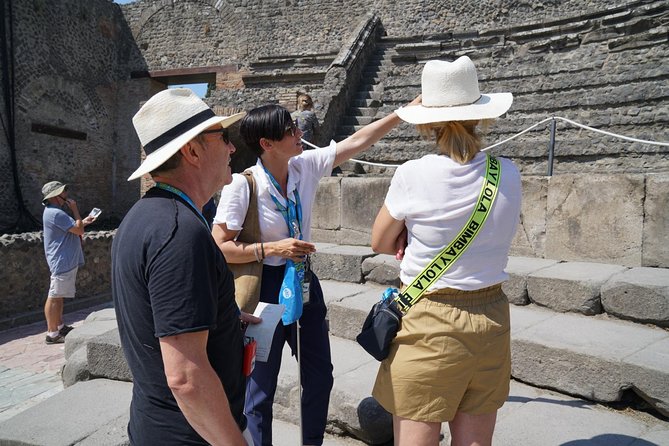
One of my favorite inclusions is the Stabian Baths (Terme Stabiane). It sits behind the Temple of Jupiter, which makes it easy to connect the civic world in front with the relaxation world behind.
What makes this stop more than a photo stop is the way the bath complex is explained. You are told about how the baths had separate entrances for men and women. You also learn how the men’s section included areas like:
- an apodyterium, a dressing room
- a tepidarium, for medium-temperature baths
- a frigidarium, for cold baths
- a calidarium, for hot baths
That sequence matters. When you know the stages, the ruins feel like a real workflow. You can picture a routine of warming up, cooling down, then emerging to keep living.
One more detail helps you understand Pompeii’s layered story: the baths were heavily damaged during the earthquake of 62 AD. Even without digging into technical dates, that context makes the structure feel both lived in and broken, right on schedule with the city’s last chapter.
Lupanar and Casa del Fauno: Pompeii’s private stories, not just public ones
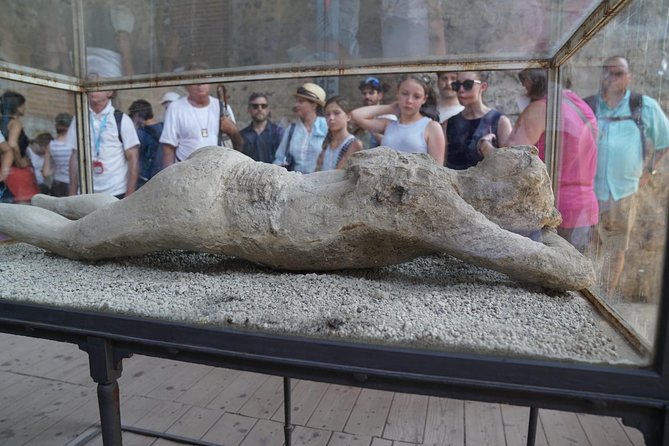
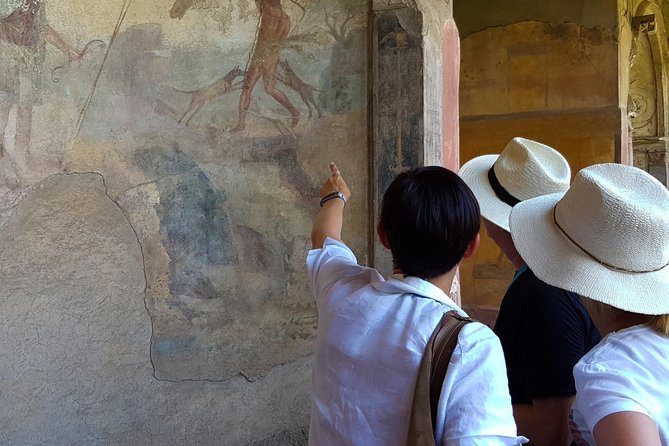
Pompeii is famous for big civic spaces, but it also tells small human truths. The Lupanar is the standout for that. It is the most famous brothel in the ruined city, and it is discussed for two main reasons: the erotic frescoes and the graffiti left behind.
The tour explains that the prostitutes were mostly Greek and Oriental slaves paid for services, with prices discussed in asses. It also notes that a glass of wine cost one As, which is a striking detail because it links everyday costs to the transactional reality of the building. You will also see how the frescoes likely served as a visual menu of what was available.
This is one stop where I recommend keeping an open mind. It is not for everyone, but it is part of Pompeii’s social record. The building design, the small two-story structure with purpose-built rooms and built-in masonry beds, makes it feel concrete instead of sensational.
After that, the tone shifts in the best way to luxury and art. The Casa del Fauno (House of the Faun) takes you into one of the largest and most luxurious private residences. The house is named for the bronze statue of a dancing faun found in the main atrium. You are also shown why this home matters for art history in Pompeii: it houses the Alexander Mosaic, showing the battle between Alexander the Great and Darius III of Persia.
The house is also described as having two peristyle gardens and intricate floor mosaics. That is the key idea for your visit. You are not just looking at rooms. You are seeing how the elite used space, views, and art to broadcast wealth and taste.
The time at these stops is short, about 10 minutes each, but both are the kind of places where you walk away with a strong mental image.
Teatro Grande and the other Basilica: entertainment and civic power
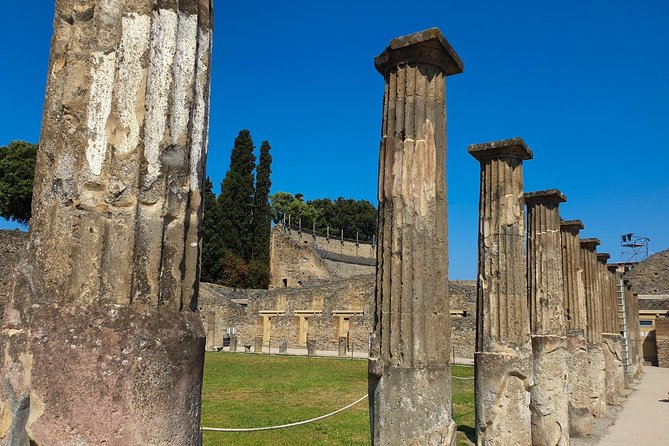
Pompeii did not just hold arguments and markets. It held performances too. The Teatro Grande is a major reason why. It is horseshoe-shaped, built into a natural hillside, and designed to hold roughly 5,000 spectators. It dates to the 2nd century BC and is described as the first Greek-style stone theater in Pompeii.
The tour frames the theater as a primary entertainment venue for comedies, tragedies, and pantomimes. That matters because it changes how you read the building. A theater is not just seats. It is a stage designed for crowd attention and a city’s appetite for public performance.
Finally, you circle back to the Basilica again at another key location, reinforcing how dominant civic architecture was in this city. The Basilica functioned as a courthouse and a business center, with judges presiding in a raised tribunal and a central nave surrounded by columns.
Even though you see it in multiple forms in this day, each visit reinforces a different angle. One time it is part of the Forum atmosphere. Another time it is explained as pre-imperial civic architecture, the kind of building that helped shape how Roman cities handled public business.
Vesuvius winery wine tasting and lunch with panoramic views
After the ruins, you get a palate break. The return is not immediate. Instead, the plan continues with an English-speaking driver to a nearby winery in the Vesuvius National Park area.
You get about 2 hours here, with a guided tasting of Lacryma Christi plus other premium local wines. You will taste a selection of organic wines, and they are paired with seasonal dishes inspired by traditional local cuisine.
The best part, from a practical point of view, is that the winery stop is built for a change in scenery. You are offered panoramic views of Mount Vesuvius and the Bay of Naples. It is a nice contrast to Pompeii’s stone geometry. Your brain gets to switch modes from ruins to relax, while still staying within the same geographic story: the volcano and the coast.
One small tip: if you are sensitive to alcohol or you plan to drive later, pace yourself during the tasting. You are also eating light lunch-style dishes, which helps.
Price and value: what you really pay for at $822.69 per person
At $822.69 per person, this is not a budget Pompeii day. But it is also not just a ticket and a map. Your money buys a layered experience.
Here is what is included that supports the price:
- private transportation with an English-speaking driver from Positano
- a private local guide with live commentary
- priority access to the Pompeii Archaeological Site
- Pompeii admission tickets for included stops
- wine tasting with selected wines and a light lunch, plus admission ticket included for that portion
- only your group participates (so no shared experience with strangers)
You also have a mention of group discounts, which can matter a lot if you are traveling with friends or family. For couples or small groups who want a guided day without waiting in lines, private pacing is usually the difference between a frustrating day and a memorable one.
The best value angle is time. Priority access and a planned route mean less dead time and more guided context per hour.
Should you book this Pompeii tour with wine tasting?
Book it if you want Pompeii to feel understandable, not just impressive. This tour is a strong choice when you care about context, enjoy structured sightseeing, and want the payoff of a winery stop with Lacryma Christi and views after the ruins.
Pass on it if you want lots of free time to wander slowly, because the schedule is built around guided stops. Also think about your physical comfort. The day is about 8 hours and includes multiple site transitions.
My practical take: if you are coming from Positano and you want a guided day that respects your time, this is a very reasonable splurge.
FAQ
What is included in the tour?
The tour includes private transportation with an English-speaking driver from Positano, an expert private local guide with live commentary, priority access to Pompeii, Pompeii admission tickets for the stops listed, and wine tasting with selected wines plus a light lunch.
Is pickup from Positano included?
Yes. You can be picked up at your hotel or at a central meeting point in Positano by private vehicle.
How long does the tour take?
The tour is listed as approximately 8 hours.
Is the guide available in English?
Yes. The tour is offered in English, including an English-speaking driver.
What happens during the wine tasting and lunch?
You continue to a nearby winery in Vesuvius National Park for a guided tasting. The tasting includes Lacryma Christi and other premium local wines, with a selection of organic wines paired with seasonal dishes inspired by traditional local cuisine.
What is the cancellation policy?
Free cancellation is available if you cancel up to 24 hours in advance of the experience. If you cancel less than 24 hours before the start time, the amount you paid is not refunded. Cut-off times are based on the experience’s local time.
Lunch with a View
- Capri Boat tour from Positano with Light Lunch, Drinks & Swim
★ 4.5 · 140 reviews - Pompeii Tour with Lunch and Wine Tasting from Positano
★ 5.0 · 41 reviews - Pompeii & Vesuvius with Lunch & Wine Tasting from Amalfi Coast
★ 5.0 · 36 reviews - Half-Day Private Amalfi Coast Path of the Gods Hike with Lunch
★ 5.0 · 20 reviews
Pompeii's Buried Streets
- Small Group Guided Pompeii Tour from Positano
★ 5.0 · 144 reviews - Amalfi Coast: Pompei & Vesuvius small group with Skip the line tickets
★ 4.5 · 71 reviews - Enjoy Pompeii & Mt. Vesuvius: Semi-Private Tour from Positano
★ 5.0 · 65 reviews - Pompeii & Vesuvius with Lunch & Wine Tasting from Positano
★ 4.5 · 58 reviews
Freshly added to the coast
- Vacation Photographer in Positano★ 5.0 · 1 review
- Sunrise Private Boat Tour from Positano, Praiano, Amalfi★ 5.0 · 1 review
- Path of the Gods from Agerola to Praiano – Amalfi Coast.★ 5.0 · 1 review
- Sorrento and Positano Tour★ 5.0 · 1 review
- Path of the Gods★ 5.0 · 1 review
- Luxury Positano and Capri private boat tour★ 5.0 · 1 review
- Path of the Gods: Guided Trekking on the Amalfi Coast★ 5.0 · 1 review
Amalfi Coast Wine Tastings, compared.
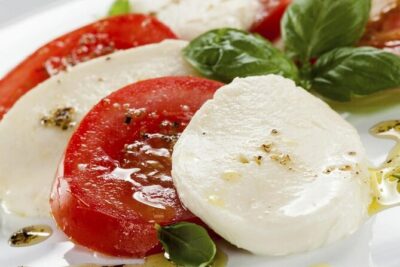
Cooking class with Pasta, mozzarella and Tiramisu with wine
Read our review →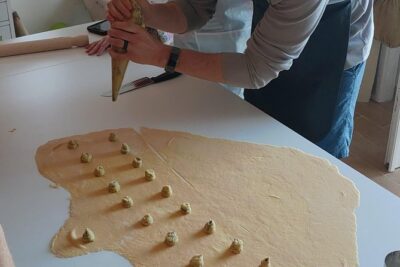
Authentic Cooking with Locals: Meal, Wine & Scenic Views
Read our review →
Make Fresh Pasta, Mozzarella, & Tiramisù with Wine
Read our review →

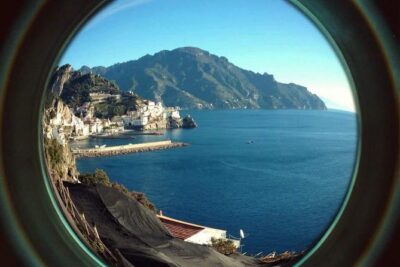

1.5-Hour Amalfi Sunset Cruise – Private Tour with Prosecco
Read our review →
Pompeii & Vesuvius with Lunch & Wine Tasting from Positano
Read our review →Browse the lists this tour appears in